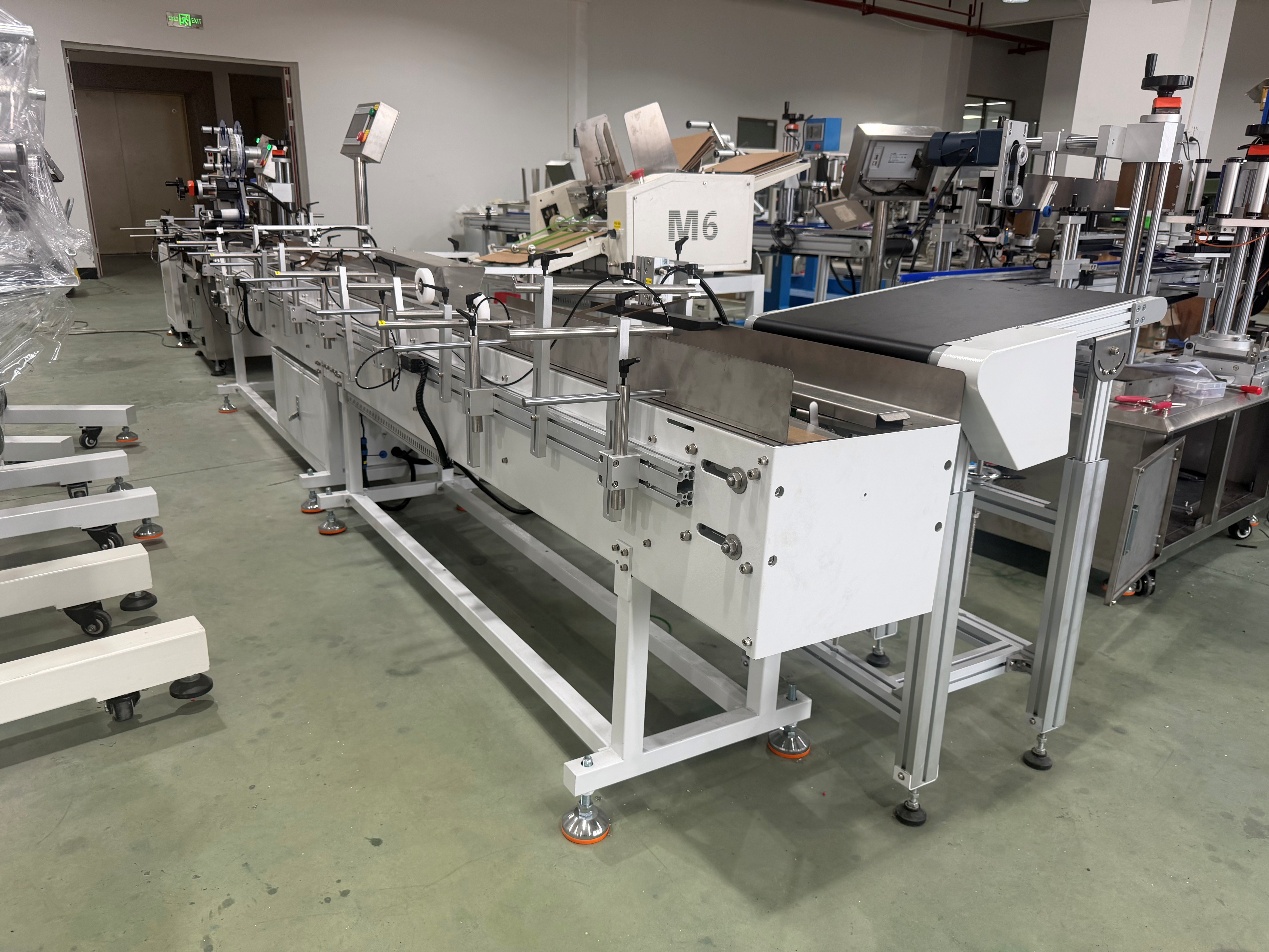
JEWSHIN Packaging Machinery improves packaging quality and accuracy by combining precision mechanical design, automated control systems, and flexible production solutions. With technologies focused on stable feeding, accurate positioning, reliable sealing, and consistent output, the equipment helps manufacturers reduce packaging errors, improve material usage, and maintain product quality across high-volume production environments.
In modern manufacturing, packaging accuracy is measured through factors such as filling tolerance, sealing strength, production speed, and repeatability. Many factories now require machines that can maintain stable performance across thousands of packaging cycles without frequent manual adjustment. A packaging line running at 60–120 packages per minute may process more than 50,000 units in a standard working day, meaning small accuracy improvements can significantly affect final production results.
JEWSHIN Packaging Machinery is designed around these production requirements by combining automated operation with precise mechanical control. The systems support manufacturers in industries such as food, household products, chemical materials, and other consumer goods where packaging consistency directly affects product appearance and storage performance.
“Packaging accuracy depends on every stage of the process, from product feeding and positioning to sealing and final inspection.”
The first factor affecting packaging quality is mechanical precision. Packaging equipment must control movement distance, timing, and product placement with minimal deviation. A small positioning error of only a few millimeters can cause incorrect sealing, uneven package appearance, or material waste during high-speed production.
JEWSHIN packaging systems use carefully designed transmission structures and synchronized components to maintain stable operation. By improving movement accuracy, machines can reduce repeated adjustments during daily production. For manufacturers operating multiple shifts, reducing adjustment frequency by even 10% can increase available production time and improve equipment utilization.
The improvement of mechanical accuracy also supports better material management. Packaging materials such as film rolls, bags, and containers represent a significant production cost. According to industry reports, packaging materials can account for 10%–40% of product manufacturing expenses depending on the sector. Accurate control of cutting, forming, and sealing processes helps companies reduce unnecessary material consumption.
| Packaging Process | Common Accuracy Requirement | Equipment Improvement |
|---|---|---|
| Product Feeding | Stable product placement | Automated feeding control |
| Film Handling | Accurate length control | Precise movement adjustment |
| Sealing Process | Uniform temperature and pressure | Stable sealing structure |
| Package Output | Consistent appearance | Synchronized operation |
After mechanical stability is achieved, automation technology further improves packaging reliability. Traditional packaging operations often require operators to manually adjust machine settings based on production conditions. Automated systems reduce this dependence by allowing machines to maintain preset parameters during continuous operation.
Modern packaging equipment commonly uses sensors, programmable controllers, and servo systems to monitor machine conditions. These technologies allow faster response when production parameters change. In applications requiring strict packaging standards, automated adjustment can help maintain accuracy within narrow tolerance ranges.
For example, filling and dosing applications often require precise control because product quantity directly affects customer experience and regulatory requirements. A difference of 1–2 grams per package may appear small, but in a production line producing 100,000 packages per month, the accumulated material difference can become significant.
“Automation helps manufacturers maintain the same packaging standard from the first product to the last product of a production cycle.”
Sealing quality is another important area where packaging machinery performance affects final results. A package with an unstable seal may experience leakage, contamination risks, or reduced shelf performance. Industries such as food and pharmaceutical manufacturing often require consistent sealing conditions because packaging must protect products throughout transportation and storage.
JEWSHIN machinery focuses on maintaining stable sealing parameters through controlled temperature, pressure, and timing. A consistent sealing process helps manufacturers produce packages with similar appearance and strength. In production environments operating 8–16 hours per day, stable sealing performance reduces the number of rejected packages caused by inconsistent sealing results.
Different industries also require different packaging approaches. A snack manufacturer may need fast packaging speeds exceeding 100 packages per minute, while a chemical product manufacturer may require stronger packaging structures and specialized handling methods. Equipment flexibility allows companies to adapt machines according to product characteristics.
JEWSHIN Packaging Machinery provides customized solutions based on production requirements. Machine configuration can be adjusted according to product size, packaging material, output capacity, and factory workflow. This flexibility allows manufacturers to use the same equipment platform for different product lines instead of replacing machinery whenever product requirements change.
| Industry Application | Packaging Requirement | Equipment Focus |
|---|---|---|
| Food Products | Hygiene and speed | Stable sealing and fast operation |
| Household Goods | Appearance consistency | Accurate positioning |
| Chemical Products | Strong protection | Reliable packaging structure |
| Consumer Products | Flexible formats | Adjustable machine settings |
Production efficiency is closely connected with machine reliability. A packaging machine that requires frequent maintenance can interrupt production schedules and increase operating costs. Manufacturers usually evaluate equipment performance through indicators such as downtime, maintenance frequency, and output consistency.
Well-designed packaging equipment can reduce unnecessary production interruptions. If a machine improves uptime from 90% to 95%, a factory operating continuously may gain hundreds of additional production hours annually. This improvement can support higher output without increasing the number of production lines.
Another area affecting packaging quality is operator usability. Complicated equipment settings can increase the possibility of incorrect adjustments. Modern packaging machines therefore focus on easier parameter control, clearer interfaces, and simplified maintenance procedures.
JEWSHIN systems are developed to support efficient operation by allowing operators to adjust production settings according to different packaging requirements. Easier operation reduces setup time when switching between products. In many manufacturing environments, reducing changeover time from 30 minutes to 15 minutes can create additional production capacity throughout the year.
“A packaging machine should not only provide speed but also allow manufacturers to maintain stable quality during everyday operation.”
Quality control has also become more data-focused in international manufacturing. Many companies now collect production information to evaluate packaging performance, identify repeated issues, and improve process management. Automated packaging equipment provides more consistent operating conditions, making production data easier to analyze.
Packaging accuracy also influences brand reputation. Consumers often judge product quality through package appearance, sealing condition, and consistency between individual units. A well-produced package improves customer confidence and reduces complaints caused by damaged or inconsistent products.
Sustainability requirements have increased the demand for more efficient packaging solutions since 2020. Manufacturers are looking for equipment that can reduce material waste while maintaining production speed. Accurate cutting, sealing, and product handling help companies use fewer packaging materials without reducing package performance.
JEWSHIN Packaging Machinery supports these goals by improving process control and reducing unnecessary material usage. More accurate packaging operations allow manufacturers to balance production efficiency with environmental requirements.
The global packaging industry continues to develop with higher expectations for automation and precision. Reports from industry organizations show that automated packaging adoption has increased steadily since 2018 as manufacturers seek more consistent production methods and lower operating costs.
By combining accurate mechanical design, automated controls, flexible configurations, and stable production performance, JEWSHIN Packaging Machinery helps manufacturers improve packaging quality across different applications. Companies using reliable packaging equipment can achieve more consistent output, lower material waste, and better production efficiency while meeting international packaging standards.